 stLouIST
Aggregator

Final episode of ‘My Life as a Rolling Stone’ docuseries, focusing on Charlie Watts, premieres Sunday
The fourth and final episode of the new Rolling Stones docuseries My Life as a Rolling Stone premieres on EPIX this Sunday, August 28. The new installment focuses specifically on…
St. Louis Co. lieutenant accused of double-dipping
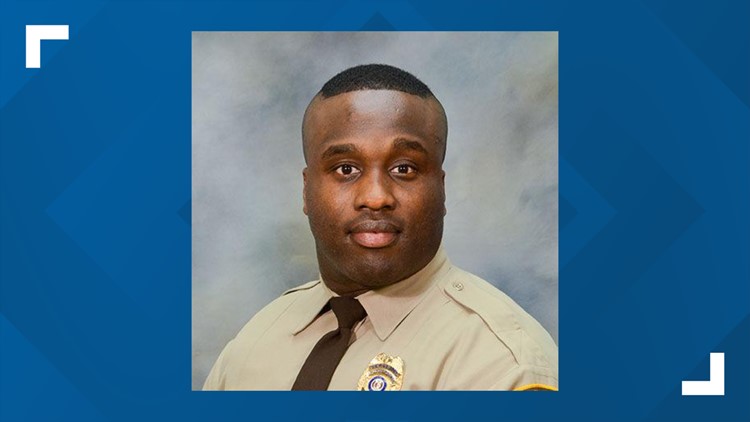
A man who worked as a St. Louis County police officer is accused of double-dipping and working in a private security role while employed as an officer.
SIUE Cougar Welcome Brings Fun During First Week Of Classes
EDWARDSVILLE – Classes are in full swing at Southern Illinois University Edwardsville, and so are the Cougar Welcome activities for new and returning students. This week, students have taken part in a back-to-school barbeque, resource fair, kick-off event, and trivia night, among many other activities. “My experience has been amazing so far,” said first-year theater major Colin Hoef, of Collinsville. “I moved in last Thursday and have gotten to meet my neighbors. All of my classes have been great. My acting class is especially amazing.” Students took a break between classes on Wednesday, Aug. 24 to attend the annual Merchant Fair featuring representatives from a variety of community businesses and organizations. They also enjoyed an ice cream social, which included free Dairy Queen Blizzards being handed out by SIUE Chancellor James T. Minor, PhD, and Associate Vice Chancellor of Student Affairs/Dean of Students Rony Die. “We came to the Goshen
Boeing makes $5M contribution for advanced manufacturing center in St. Louis
Backers of the project say its creation will create thousands of high-paying jobs in the region and puts St. Louis squarely within an emerging national trend in manufacturing.
Scattered showers this weekend and stormy weather next week
Wet weather chances ramp up for the entire region during the new week.
‘Dangerous Women’ exhibit highlights St. Louis’ role in the labor movement’s early days
“Dangerous Women” is a new exhibit that features two leaders of the labor movement, Fannie Sellins and Mary Harris Jones a.k.a. Mother Jones. The exhibit debuts 103 years after Sellins was killed at a labor strike in Pennsylvania. Mother Jones Heritage Project director Rosemary Feurer joins the show to share the impact St. Louis had on both women.
St. Louis County police lieutenant charged with double-dipping
Sammy Hagar Fuels Up on Zia's
Where does a rock star go for some pre-show fuel? When you're Sammy Hagar, the answer is simple: Zia's (5256 Wilson Avenue, 314-776-0020), the Hill neighborhood favorite known for its classic St. Louis-style Italian cuisine.
There's a new basketball court in St. Louis. Its funders were raided by the FBI
Shortly before the newest basketball court in St. Louis was finished, the group who built it was raided by the FBI. The African People’s Socialist Party is accused of being linked to a Russian conspiracy to spread disinformation and promote Russian propaganda. The leaders of the party, Chairman Omali Yeshitela and Deputy Chair Ona Zené Yeshitela, respond to the allegations of conspiracy and explain what brought their group to St. Louis in the first place.
Longtime biker bar near downtown St. Louis closes
The business said a lack of help and the owner's health were factors.
Two more ex-St. Louis aldermen plead guilty in federal bribery case
Former Aldermanic President Lewis Reed and former Alderman Jeffrey Boyd pleaded guilty on Friday. They and fellow former Alderman John Collins Muhammad potentially face 2 to 4 years in prison if their pleas are accepted.
Pujols could become the 4th player to hit 700 home runs. Here are the other 3

Is this new? Never seen it before. Same price. Same market.
Dr. Griffin: The New CM Football Turf and Stadium Changes Are "Breathtaking"
BETHALTO - When Civic Memorial High School football fans walk into the stadium with new turf and refinements in the facility Friday evening, they are sure to see it as “breathtaking,” said Bethalto School District 8 Superintendent Dr. Jill Griffin. Civic Memorial Athletic Director Todd Hanaford said there will be a ribbon cutting of the new field at 6:30 p.m. prior to the Marquette Catholic at CM football game. “We have had a significant upgrade of the stadium and there will be a lot of enthusiasm and excitement about the field and stadium,” Dr. Griffin said. “There are still some finishing touches that need to be done on the stadium but it is close to done. The turf is a significant upgrade. It has great colors and it is very attractive. It is something the community should be really proud of. We can’t wait to show it to everybody.” CM High School has also had gymnasium updates as well as elementary school changes over the summer and work
Installation of Final Truss Marks One of the Last Major Milestones for Merchants Bridge Reconstruction Project
The $222 million project to replace the Merchants Bridge that links Missouri and Illinois near downtown St. Louis is nearing completion, and the St. Louis Regional Freightway gave invited guests and the public the opportunity to see one of the last significant milestones in the project firsthand from the special vantage point of a riverboat cruise. Passengers on board witnessed […]
The post Installation of Final Truss Marks One of the Last Major Milestones for Merchants Bridge Reconstruction Project appeared first on St. Louis Regional Freightway.
What happened to the Christman sculpture park on Union?
Boeing invests $5M to expand St. Louis manufacturing site
Recent announcement from Boeing that will expand a manufacturing company in St. Louis.
Listen to new song featuring Mötley Crüe’s Mick Mars from ‘The Retaliators’ soundtrack
Mötley Crüe guitarist Mick Mars has lent his talents to a new song by rap rocker Hyro the Hero called "Who's That Playing on the Radio?" that got its premiere…
Judge dismisses $20 million lawsuit Phil Collins’ ex-wife brought against him
Looks like the legal battle between Phil Collins and his third wife, Orianne Cevey, is over for now: Page Six reports that a judge has dismissed Orianne's $20 million lawsuit against…