Eckert’s Farm in Belleville, Illinois, will host Sunflowers at Sunset, where guests can enjoy the sunset surrounded by sunflowers reaching up to five feet high, on July 25 and Aug. […]
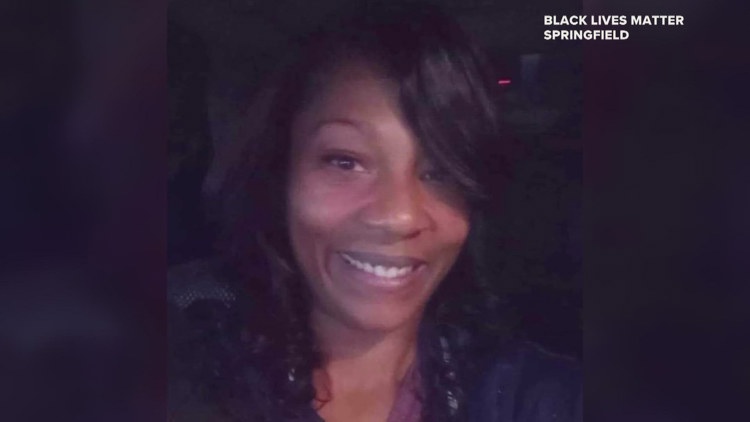
Sean Grayson, 30, is being held without bond on charges of first-degree murder, aggravated battery with a firearm and official misconduct. He has pleaded not guilty.
The attorney representing the owners of Bar:PM in South St. Louis is awaiting additional information and evidence from prosecutors concerning a police officer who lost control of a vehicle and collided with the bar.
One of the arguments sometimes made in defense of copyright is that without it, creators would be unable to compete with the hordes of copycats that would spring up as soon as their works became popular. Copyright is needed, supporters say, to prevent less innovative creators from producing works that are closely based on new, […]
EAST ST. LOUIS, IL — On Friday, August 2nd at 12:30 p.m. CDT, Congresswoman Nikki Budzinski (IL-13) will visit R3 Development to present the organization with a $1 million check to expand its workforce development training for youth in the Metro East. Budzinski secured the funding in a recent bipartisan government funding bill after submitting a request for the resources during the House of Representatives’ Community Project Funding process. In total, Budzinski secured $136.1 million for community projects throughout Illinois’ 13th Congressional District. R3 Development will use the funding to renovate its facilities into a new workforce training facility, known as "The LAB,” that will give underserved youth access to skills-based training, leadership development and educational opportunities – connecting them with good-paying jobs and serving as an economic boon for the larger community. “We are thrilled to continue holding out hope and
Frank Bruni asks us today to spare a thought for Pete Buttigieg: In 2020, when he was still in his 30s and his main political credential was two terms as mayor of a Midwestern city with only about 100,000 people, he won the most delegates in the Iowa caucuses, placed a close second in the ...continue reading "Pete Buttigieg for veep?"
BELLEVILLE /GRANITE CITY/MARYVILLE - In 2023, there were approximately 96 overdose deaths in Madison County and 66 in St. Clair County. More than 70 percent of those deaths involved opioids and most involved fentanyl. The national average of overdose death involving opioids is 75 percent. (cdc.org) To help decrease these number, Chestnut Health SystemsÔ has installed vending machines that provide free access to Narcan®/naloxone. Community members can access the machines during regular business hours in the following Chestnut locations: 50 Northgate Industrial Drive, Granite City, IL 2148 Vadalabene Drive, Maryville, IL 12 North 64th Street, Belleville, IL “Narcan®/naloxone is a non-prescription medication and when used appropriately can block or reverse the effects of an opioid overdose,” said Dan Hutchison, associate director of community health at Chestnut. “The naloxone available in the vending machines is easy and safe to use. It might save th
SPRINGFIELD - The Illinois Secretary of State’s office is highlighting the 60th Anniversary of the iconic 1964 Ford Mustang at its annual Vehicle Show in Springfield. The event will take place from 10 a.m. to 3:30 p.m. on Saturday, Sept. 7, in the State Capitol Complex at the corner of Edwards Street and College Street. “The Vehicle Show brings together car enthusiasts and families from across the Midwest to downtown Springfield,” Giannoulias said. “A broad collection of classic vehicles featuring all makes and models will be on display this year. We look forward to hosting the event that will help draw visitors to Springfield and provide a boost to local businesses.” “The Illinois Secretary of State's Classic Vehicle Show is an exciting event that provides a unique experience to visitors and local residents alike,” said Springfield Mayor Misty Buscher. “This iconic car show has left an indelible mark on automotive history, embodying
Clayco Executive Chairman and Founder Bob Clark joined U.S. Special Representative and former U.S. Commerce Secretary Penny Pritzker as she traveled to Ukraine on July 29. Clark was part of delegation meeting with senior Ukrainian officials to discuss ways to further increase private sector investment and jumpstart Ukraine’s economy. While in Ukraine, Pritzker met with […]
Our weather has been the perfect storm for rising mosquito numbers this summer. The employees at St. Louis County Public Health Vector Borne Disease Prevention are in full force, working hard to keep numbers in control.
From St. Louis Business Journal: A new coworking facility, launched by a 24-year-old entrepreneur, has opened in a downtown St. Louis office tower. Accelerate Coworking now operates in a nearly 9,000-square-foot space on the 15th floor of the Broadway Tower, at 100 N. Broadway. It’s the first location for Accelerate Coworking, which could expand to […]
John Pound, 80, had represented Des Peres's first ward for more than 20 years and twice served one-year terms as the six-member board of aldermen's president.
Are you curious about whether Democrats really are a party of childless cat ladies? We know that both women and cat owners are more likely to be Democrats, but how about childless people? Here you go: Childlessness has gone way up among Democrats over the past three decades while it's gone down among Republicans. I'm ...continue reading "Raw data: Childless families by political party"
Celebrate summer in downtown St. Louis! Every Thursday throughout the season (except July 4), Kiener Plaza will come alive with live music, happy hours, movie nights and more. The schedule […]
 stLouIST